The Importance of Routine Septic Tank Cleaning: Protect Your Home
It is essential for homeowners to clean their septic tanks on a regular basis. This avoids clogs and backups, which may lead to costly repairs. Furthermore, proper maintenance increases the lifespan of the septic system and supports protecting the environment. Many homeowners neglect the signs that indicate a need for cleaning. Understanding these indicators can have a major impact on both health and finances. What are the telltale signs that your septic system may require immediate attention?
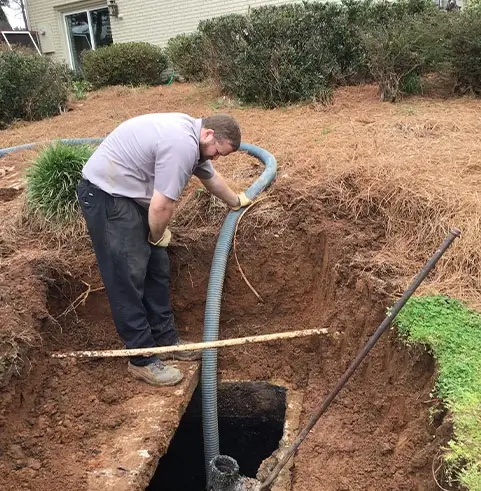
Why Regular Septic Tank Cleaning Is Essential for Homeowners
Regularly upkeeping a septic tank is essential for homeowners to guarantee the system operates properly. This proactive approach helps prevent clogs, backups, and costly repairs. A well-maintained septic system can prolong its lifespan, ensuring that it functions efficiently for years. Routine maintenance eliminates the buildup of solids, preventing them from overflowing into the drain field, which can lead to ecological damage and health hazards.
Additionally, routine maintenance permits early detection of potential issues, enabling homeowners to address them before they progress. This not only secures the home but also sustains the surrounding ecosystem. By investing in regular septic tank cleaning, homeowners can avoid distasteful odors and unsightly messes while advancing a healthier living environment. Ultimately, steady care of a septic system is a sound practice that benefits both the homeowner and the community.
Clues Your Septic Tank Needs Urgent Attention?
Homeowners ought to be observant for signs that their septic tank requires immediate attention. Foul odors coming from the yard and slow drains throughout the home can indicate underlying complications with the system. Promptly addressing these concerns can avert more serious problems and costly repairs.
Foul Smells Emanating Outdoors
A pungent, unpleasant smell around the yard can signal that a septic tank requires urgent attention. This unpleasant odor frequently suggests that the tank is overflowing or leaking, allowing waste materials to seep into the surrounding soil. Such situations not only undermine the soundness of the septic system but also present health risks to residents and pets. Additionally, these odors can draw pests and create an unpleasant environment for outdoor activities. It is crucial for homeowners to address these issues promptly, as ignoring them can result in more significant problems, including costly repairs or environmental contamination. Regular septic tank upkeep can help prevent these odors and guarantee the system operates effectively. Immediate action is critical when such signs are detected.
Slow Drain Flow Everywhere Your Home
Foul odors around the yard can be a clear indicator of septic system issues, but slow drainage throughout the home are another significant warning sign that demands immediate action. check now When sinks, toilets, and bathtubs drain sluggishly, it suggests that the septic tank may be nearing capacity or facing a blockage. These slowdowns can lead to backups, causing potential harm and health hazards. Homeowners should not ignore these signs, as they often indicate that the tank needs pumping or service. Timely intervention can prevent more severe issues, ensuring the system functions properly. Recognizing these signs early allows for proactive measures, safeguarding both the home and the environment from the consequences of a failing septic system. Regular inspections and maintenance are necessary.
How Preventative Septic Upkeep Rescues You Money
Preventative septic maintenance can notably reduce costs involving fixes and system installations. By routinely servicing the septic system, homeowners can extend its service life and avoid emergency situations that often lead to expensive fixes. Ultimately, proactive care results in long-term savings and peace of mind.
Avoid Expensive Repairs
Regular septic upkeep can significantly decrease the chance of expensive damage. Ignoring a septic system can lead to significant issues, such as clogs, leaks, or even complete system failure. By scheduling regular inspections and cleaning services, homeowners can detect possible issues early, stopping them from escalating into costly fixes. For instance, a simple tank pumping can prevent backups that might damage plumbing and drain fields. Additionally, maintaining correct bacterial balance helps guarantee the system functions effectively, reducing wear and tear on components. Ultimately, preventative maintenance not only safeguards the home from unexpected expenses but also fosters peace of mind, knowing the septic system is functioning smoothly. Putting money in routine upkeep is a wise financial decision for homeowners concerned about long-term costs.
Prolong System Lifespan
Maintaining a septic system through regular upkeep greatly prolongs its lifespan. Frequent inspection and cleaning stop the accumulation of solids and sludge, which can lead to system failure. By addressing minor issues before they escalate, homeowners can avoid costly overhauls. This preventative strategy not only enhances the functionality of the system but also reduces the risk of premature decline. Additionally, a well-maintained septic tank functions more efficiently, reducing the need for increased energy consumption. Consistent maintenance allows homeowners to optimize their expenditure, ensuring that the system remains in prime condition for years. Ultimately, prioritizing preventative care translates to substantial long-term savings, safeguarding the home's value and providing peace of mind.
Prevent Urgent Events
Consistent septic system maintenance can markedly reduce the likelihood of high-cost crises. By routinely examining and maintaining the septic tank, homeowners can recognize developing concerns before they become major problems. Avoiding maintenance can cause blockages, backups, and potential system failures, which usually need expensive fixes or full system replacements. Moreover, pressing emergencies can disrupt your everyday life and produce substantial tension. Proactive care not only shields your home but also minimizes the risk of surprise costs related to emergency repairs. Allocating resources to routine tank maintenance is a preventive tactic that makes certain the system functions optimally, in the end saving homeowners money and protecting their homes from unnecessary damage. Consistent upkeep is crucial for lasting emotional security and monetary stability.
Proper Methods for Maintaining Your Septic Tank
Although septic tank cleaning may appear daunting, employing the proper techniques can streamline the process significantly. First, individuals should locate the tank entry locations, usually found near the house or yard. Next, it is recommended to use a high-quality pump to remove buildup of sludge and scum, guaranteeing that the tank is emptied thoroughly.
After draining the tank, checking for cracks or damage is essential. Rinsing the baffles and inlet/outlet pipes with a hose can help maintain ideal flow.
Following cleaning, it is vital to refill the tank with clean water to the appropriate level. This helps establish the essential conditions for beneficial bacteria to thrive.
Ultimately, establishing a record system that specifies the service timetable and any repairs performed assists with observing the tank's condition over time. By applying these strategies, homeowners can successfully maintain their septic systems and prevent future issues.
Nature's Vulnerability to Septic System Maintenance Effects
Septic care plays a vital role in preserving the environment. Consistent cleaning and appropriate maintenance of septic systems stop system failures that can cause harmful leaks and groundwater contamination. When septic tanks work correctly, they efficiently decompose waste, decreasing the release of pollutants into surrounding soil and waterways.
Ignoring septic system maintenance can create nutrient overloads, leading to algal blooms that decrease oxygen in water bodies, harming aquatic life. Additionally, poorly serviced systems can release pathogens that pose health risks to humans and wildlife alike. By ensuring septic tanks are serviced and examined regularly, homeowners foster a healthier ecosystem.
Proper servicing not only safeguards individual properties but also preserves larger ecological reserves. Ultimately, preventive septic maintenance backs sustainable water quality and encourages a thriving ecosystem, stressing the interconnectedness of human activities and ecological well-being.
How to Find the Right Pro for Your Septic Requirements
How can property owners guarantee they choose the best specialist for their septic requirements? To begin, they should seek referrals from reliable friends or family, as word-of-mouth recommendations can provide valuable insights. Subsequently, researching local companies on the internet lets homeowners to read testimonials and validate qualifications. It is vital to check that the chosen specialist is insured and licensed, as this guarantees compliance with local rules and protects against possible legal liabilities.
Property owners should also inquire about the services provided, including pumping, inspection, and emergency repairs, to ensure the professional satisfies their specific requirements. Collecting quotes from numerous providers can help in comparing prices and services. Finally, selecting a contractor who shows clear communication and professionalism can foster a positive working relationship. By following these steps, property owners can confidently locate a qualified septic service provider to care for their system effectively.
Regularly Posed Questions
How Frequently Should I Schedule Septic Tank Inspections?
Septic tank assessments should be scheduled every three to five years, based on household size and usage. Routine evaluations help prevent costly repairs and ensure the system operates effectively, preserving overall health and safety of the property.
What Substances Should Not Ever Be Disposed Down the Toilet?
Items that should never be flushed down the toilet include wipes, feminine hygiene products, dental floss, paper towels, and food scraps. These materials can clog pipes, damage septic systems, and result in expensive maintenance.
Should I Clean My Septic Tank Myself?
Cleaning your septic tank on your own is discouraged due to health hazards and the need for specialized equipment. Experts hold the expertise to guarantee correct servicing, preventing potential damage and expensive repairs for the house owner.
What Costs Are Connected to Septic Tank Cleaning?
Septic tank cleaning generally expenses $200 to $500, depending on tank size and local service rates. Supplementary charges could apply for repairs or pumping frequency, impacting overall expenses.
What Period Can You Expect From a Septic Tank?
A septic tank generally lasts between 20 to 30 years, depending on factors such as maintenance, usage, and environmental conditions. Routine checks and adequate maintenance can extend its lifespan significantly, guaranteeing efficient operation.